Achilles Tendinitis Treatment Options
If every step is bringing a nagging ache along the back of your ankle, you’re not alone — Achilles tendinitis is one of the most common overuse injuries we see in runners, athletes, and active adults throughout Westport and Fairfield County, CT. The good news is there’s a full range of Achilles tendinitis treatment options, from simple activity changes to advanced shockwave therapy, and most people recover well when they start with the right plan.
What Is Achilles Tendinitis?
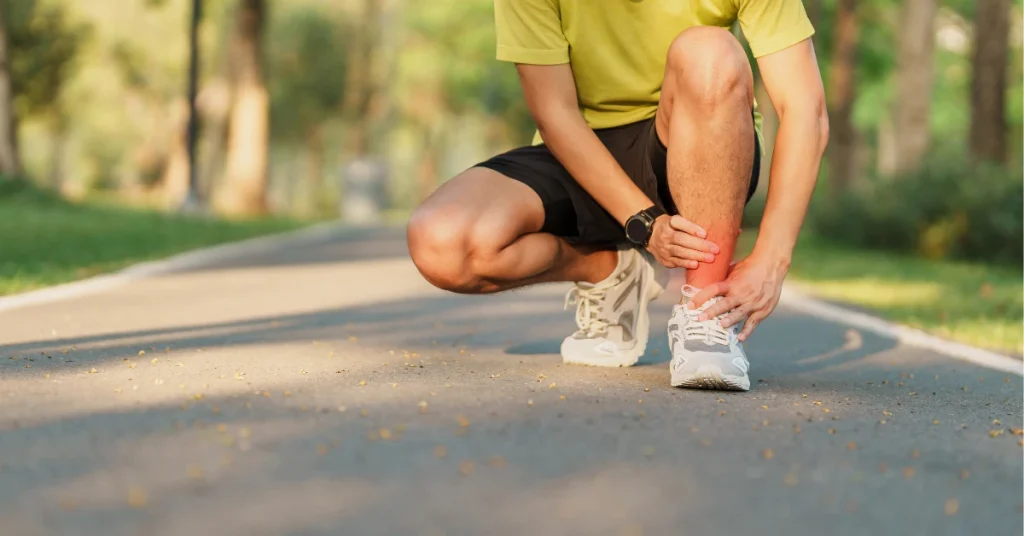
Achilles tendinitis is inflammation of the tendon connecting the calf muscles to the heel bone. It causes pain and stiffness along the back of the lower leg and ankle, and it can limit how far, fast, or comfortably you’re able to move. Left unaddressed, it can interrupt training schedules and everyday activity alike.
Who Is Most at Risk?
This condition predominantly affects people who put repetitive stress on their lower legs. Sports involving running, jumping, or quick directional changes carry elevated risk, including:
- Distance running
- Basketball
- Soccer
- Tennis
- Dance
People who rapidly increase their training intensity or have inflexible calf muscles face heightened vulnerability. Age plays a role too, since tendons gradually lose elasticity over time.
Conservative Achilles Tendinitis Treatment Options
Conservative approaches typically prove effective when started early. Common first-line treatment options include:
- Rest and Activity Modification — Switching to low-impact activities like swimming helps preserve fitness without continuing to strain the tendon.
- Ice Therapy — Applying ice for 15–20 minutes multiple times daily reduces swelling, though chronic or more severe cases may need additional approaches.
- NSAIDs — Anti-inflammatory medications can provide pain relief but shouldn’t become a long-term solution, since sustained use may weaken tendon structure.
- Physical Therapy — Stretching and strengthening exercises, particularly eccentric movements, help improve flexibility and support healing.
- Orthotics and Footwear — Heel lifts reduce strain on the tendon, though prolonged use in younger patients can shorten the calf muscles over time.
- Compression and Elevation — These help control swelling and improve circulation.
Most patients improve within weeks using these approaches, though more severe injuries can require an extended recovery period.
When Standard Treatments Don’t Work
Persistent symptoms despite conservative care may indicate chronic tendinopathy, involving tendon thickening, scarring, or partial tearing. At this stage, professional evaluation is essential to assess the tendon’s condition, often through imaging studies, and to determine the best next step in treatment.
How Shockwave Therapy Expands the Treatment Options
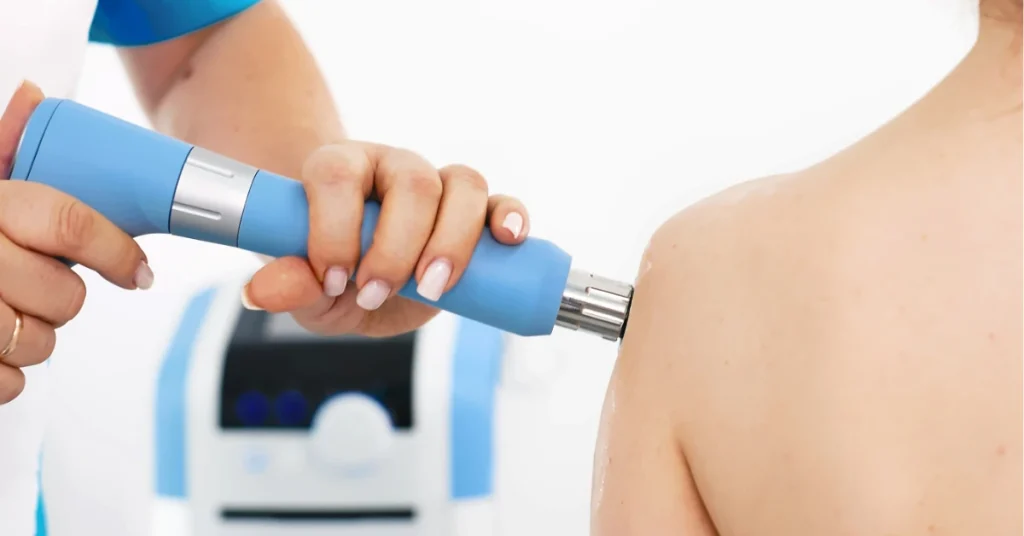
When conservative care isn’t enough, shockwave therapy is one of the treatment options we offer at CT Sports Recovery for chronic Achilles cases. This roughly 15-minute treatment uses high-energy sound waves directed at the injured tendon to help stimulate blood flow, reduce inflammation, and encourage tissue repair. Research supports its effectiveness for chronic cases where other approaches have fallen short.
Benefits of shockwave therapy include:
- Non-invasive treatment without surgery or injections
- Support for the body’s natural healing and repair process
- Noticeable pain reduction for many patients after approximately three sessions
- Improved function that supports a return to sport and activity
A typical course of treatment involves three to six clinic sessions lasting roughly 15 minutes per side, with minimal side effects beyond mild discomfort during application.
Choosing the Right Treatment Option for You
Because Achilles tendinitis treatment options range from simple rest to shockwave therapy, the right plan depends on how long you’ve had symptoms, your activity level, and how your tendon responds to initial care. Consistent adherence to your treatment plan, avoiding aggravating activity, and professional guidance all support the best possible recovery outcome.
Frequently Asked Questions
- How do I know if I have Achilles tendinitis or something more serious? Achilles tendinitis typically causes pain, stiffness, and tenderness along the tendon that improves with rest. If symptoms persist despite conservative care, it may signal chronic tendinopathy or a partial tear, which warrants a professional evaluation.
- How long does it take to recover from Achilles tendinitis? Many patients improve within a few weeks using conservative treatment options such as rest, ice, and physical therapy. More severe or long-standing cases can take longer and may benefit from additional treatment options like shockwave therapy.
- Do you treat Achilles tendinitis near me in Fairfield County? CT Sports Recovery is located on Main Street in Westport, CT, and serves patients throughout Fairfield County, including Norwalk, Fairfield, Weston, and Wilton.
Explore Your Achilles Tendinitis Treatment Options in Westport, CT
If Achilles pain has been slowing you down, don’t wait for it to become a chronic problem. Our physician-led team in Westport can walk you through the full range of treatment options, from conservative care to shockwave therapy, and help you find the right path back to pain-free movement.
CT Sports Recovery — Recovery for the Relentless. 215 Main Street, Westport, CT 06880 · (203) 651-5090 · ctsportsrecovery.com